
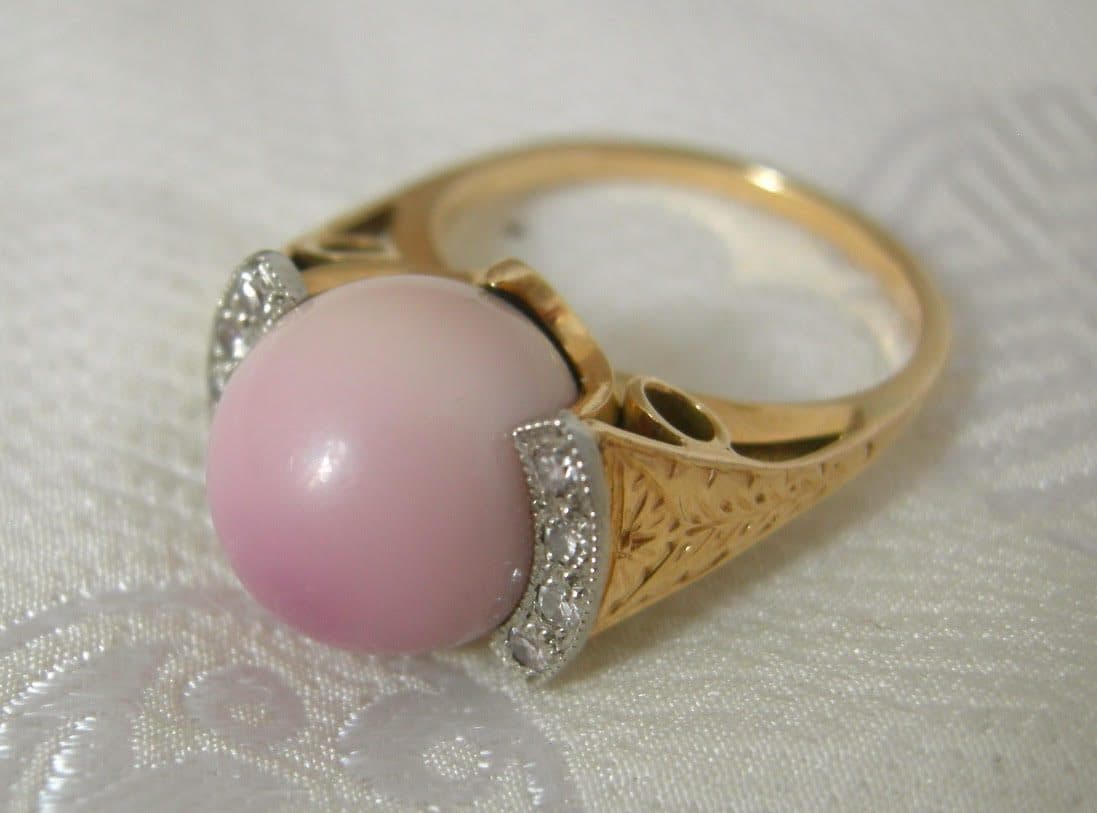
Quahog Pearl Buying Guide
Your next plate of steamed clams might hold a rare quahog pearl. Learn how to judge the quality of these purple pearls before your next trip to New England.
3 Minute Read
Related Articles
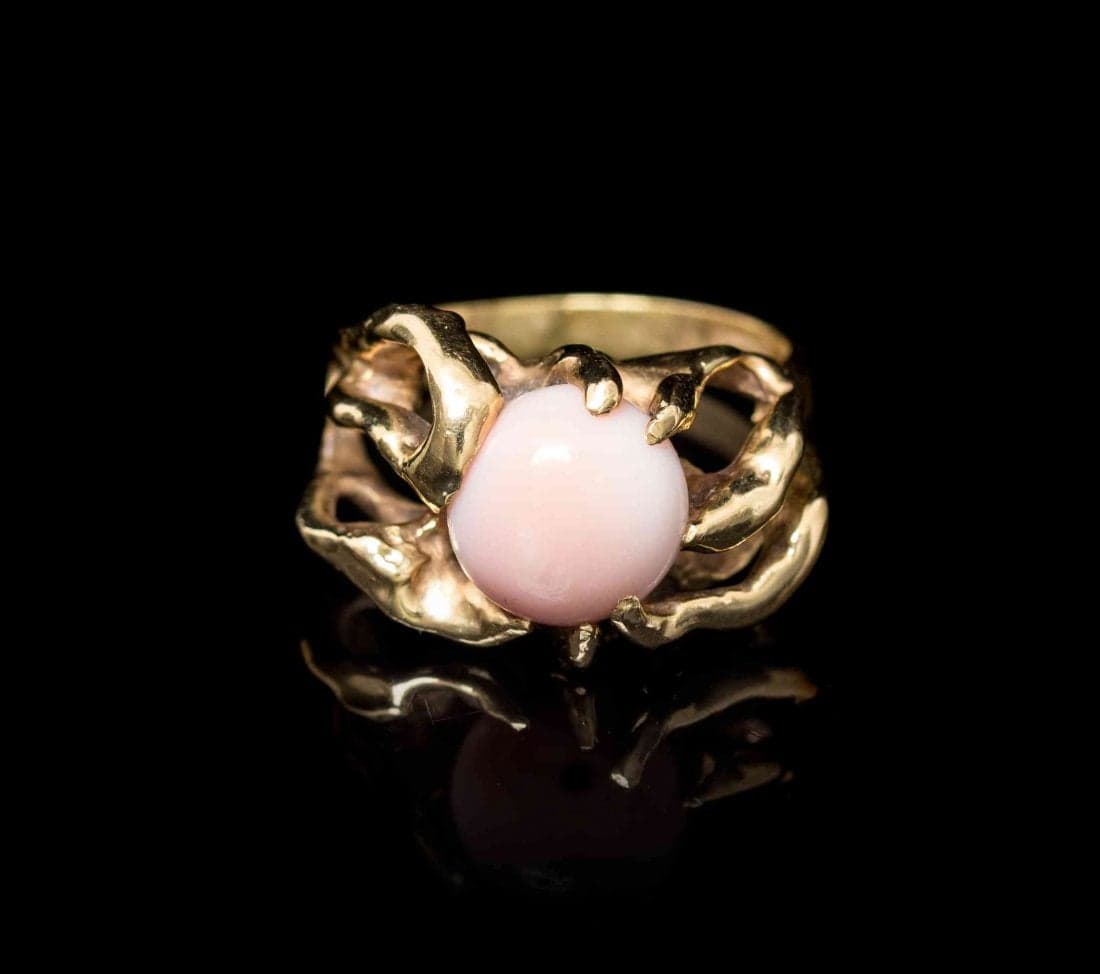
Calcareous Concretions Value, Price, and Jewelry Information
Several species of marine mollusks produce stony growths called calcareous concretions or non-nacreous pearls. Varieties such as conch pearls, tridacna...
Read More
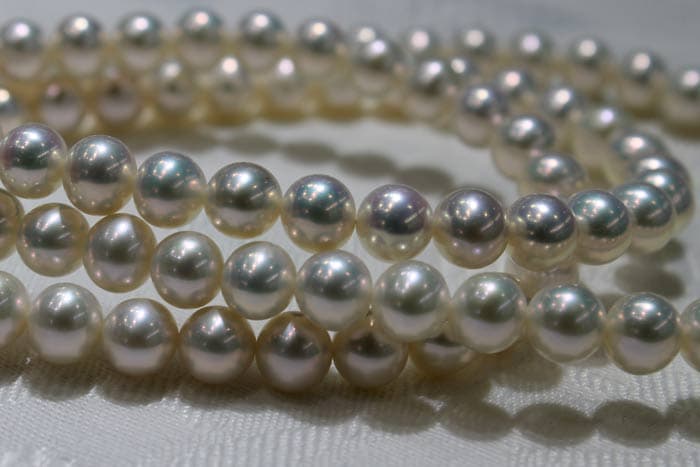
Pearl Buying Guide
In this golden age of pearls, a wide variety of shapes, sizes, and colors are available. Our pearl buying guide...
Read More

Seven Famous Pearls and Their Histories
Cursed, perfect, or just huge, these famous pearls are fascinating. Read their history-rich tales filled with people like Kublai Khan...
Read More
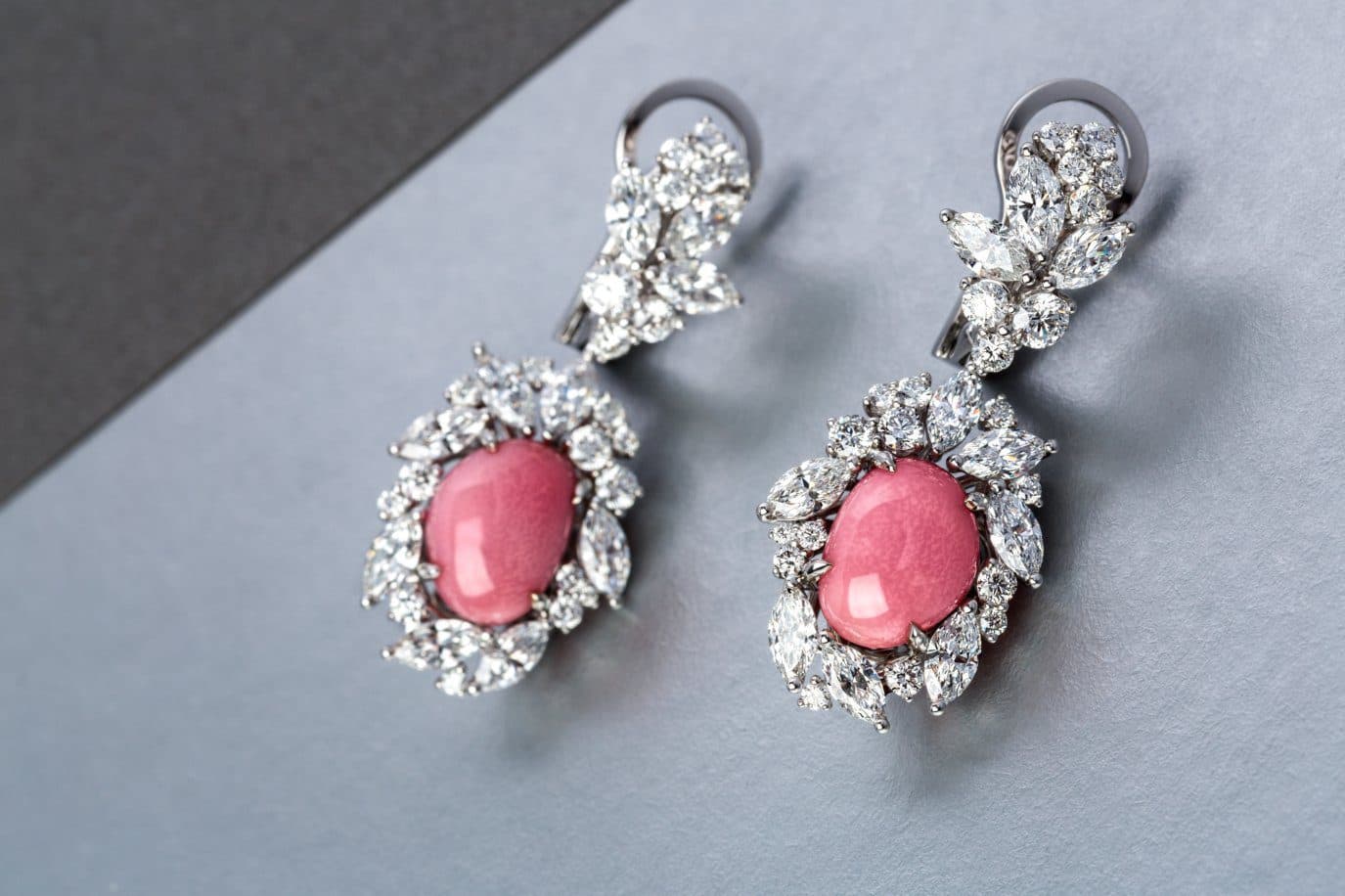
Conch Pearl Buying Guide
Considering a conch pearl buying trip to the Caribbean? Quality factors for these gems differ from colored gemstones. Before you...
Read More
Latest Articles

800 Years of Mogok: A Celebration in Tenuous Times
As Mogok, Myanmar prepares to celebrate its 800th anniversary, the inhabitants of this prolific gem producing region face an uncertain...
Read More
What is the Average Gemstone Faceting Yield?
What’s the average gemstone faceting yield from a single piece of rough? Learn how to estimate how much material you’ll...
Read More
Pyroxmangite Value, Price, and Jewelry Information
Pyroxmangite grains are rare, seldom clean enough to facet, and difficult to cut. However, when cut, they are extremely beautiful...
Read More
How to Identify Emerald Simulants and Synthetics
Gemologists can separate natural emeralds from emerald simulants and synthetics. Learn about the most common tools and techniques for this....
Read More


