
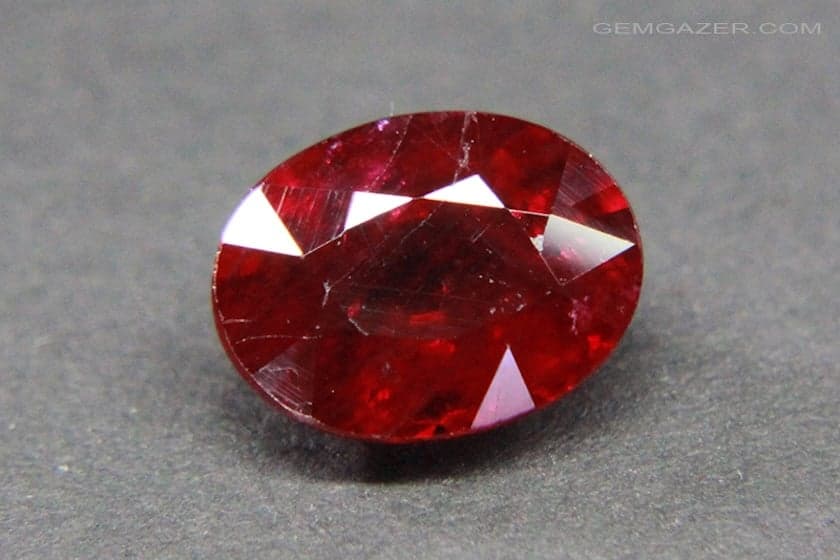
How to Identify Ruby Simulants and Synthetics
With practice and some basic tools, anyone can separate natural rubies from ruby simulants. Learn all about the most common lookalikes here.
24 Minute Read
By International Gem Society, updated on
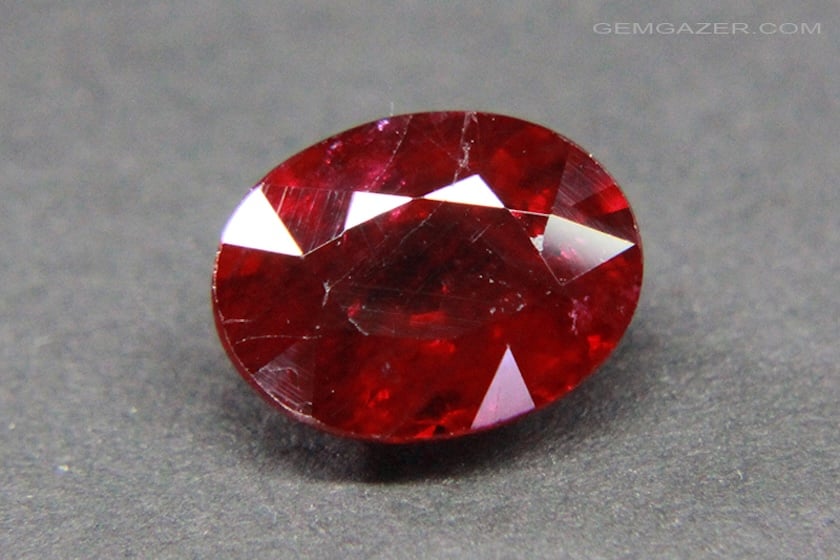
Key Takeaways for Identifying Ruby Simulants and Synthetics
In this article, you’ll learn the following:
- How to distinguish rubies from most ruby simulants with basic observations and tests
- How the optical and physical properties of the most common ruby simulants differ from those of ruby
- Why flame-fusion rubies are the only synthetic rubies most gemologists will likely ever examine
- How to distinguish flame-fusion rubies from natural rubies with just a microscope and a little practice
A Brief Review of Ruby’s Chemical and Crystallographic Properties
- Ruby belongs to the corundum mineral species. This species includes all varieties of sapphire, too.
- By definition, red corundum is ruby. Corundum with any other color, including colorless, is considered sapphire.
- All corundums form in the hexagonal (trigonal) crystal system and grow naturally as six-sided crystals. Rubies tend to form as flat, tablet-like crystals. Sapphires tend to form as double pyramid-shaped crystals.
- Pure corundum is a colorless aluminum oxide with the chemical formula Al2O3. When different metal impurities are captured during the growth process, the crystals will have different colors.
- Ruby’s red color comes from minor traces of
Related Articles
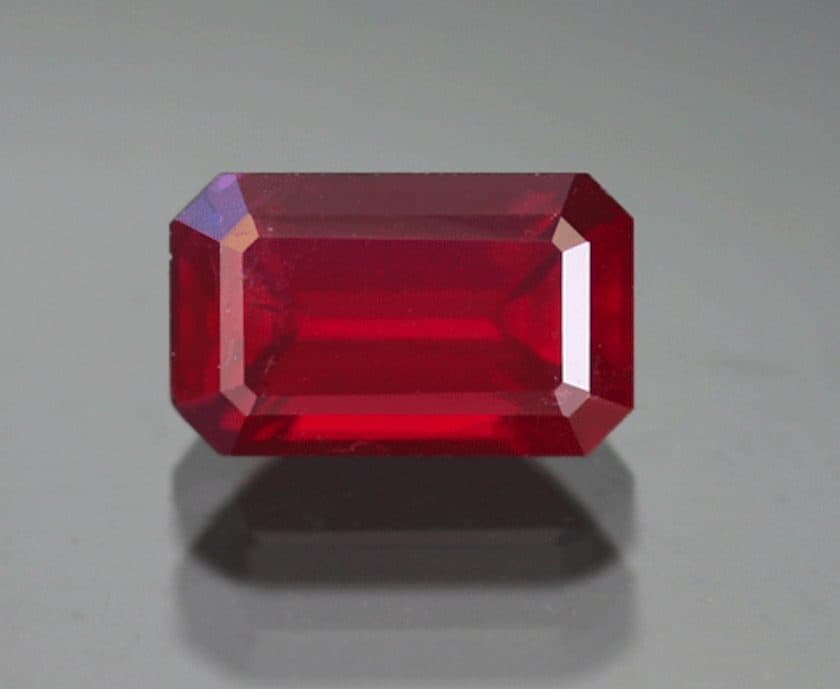
Ruby Gemstone Value, Price & Jewelry Insights
Discover everything about ruby gemstones — from value factors and origins to care tips. Learn what determines ruby prices and...
Read More
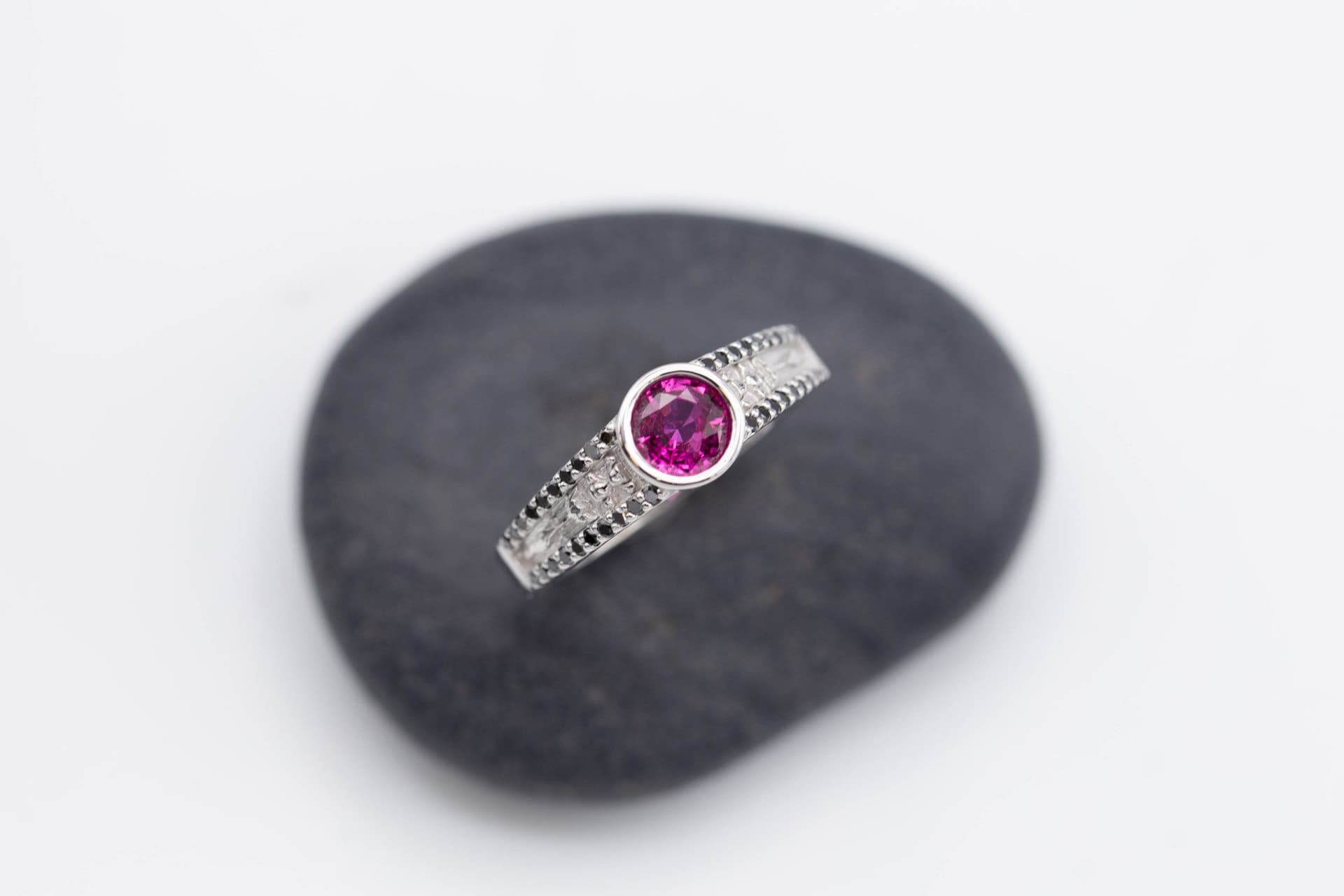
Ruby and Sapphire Survey: Where Do You Draw the Line?
Our survey asked for your input on the age-old question: where is the line between ruby and sapphire? The results...
Read More
How to Find Curved Striae in Synthetic Ruby and Sapphire
Curved striae or lines are a telltale sign of synthetic ruby and sapphire. If you're having trouble seeing them, here...
Read More
Gübelin Grades an Exceptional Vietnamese Ruby with “Pigeon’s Blood” Color
How does Vietnamese ruby compare to Burmese ruby? Learn about the "Red Treasure" of Vietnam and why even experts can...
Read More
Latest Articles

800 Years of Mogok: A Celebration in Tenuous Times
As Mogok, Myanmar prepares to celebrate its 800th anniversary, the inhabitants of this prolific gem producing region face an uncertain...
Read More
What is the Average Gemstone Faceting Yield?
What’s the average gemstone faceting yield from a single piece of rough? Learn how to estimate how much material you’ll...
Read More
Pyroxmangite Value, Price, and Jewelry Information
Pyroxmangite grains are rare, seldom clean enough to facet, and difficult to cut. However, when cut, they are extremely beautiful...
Read More
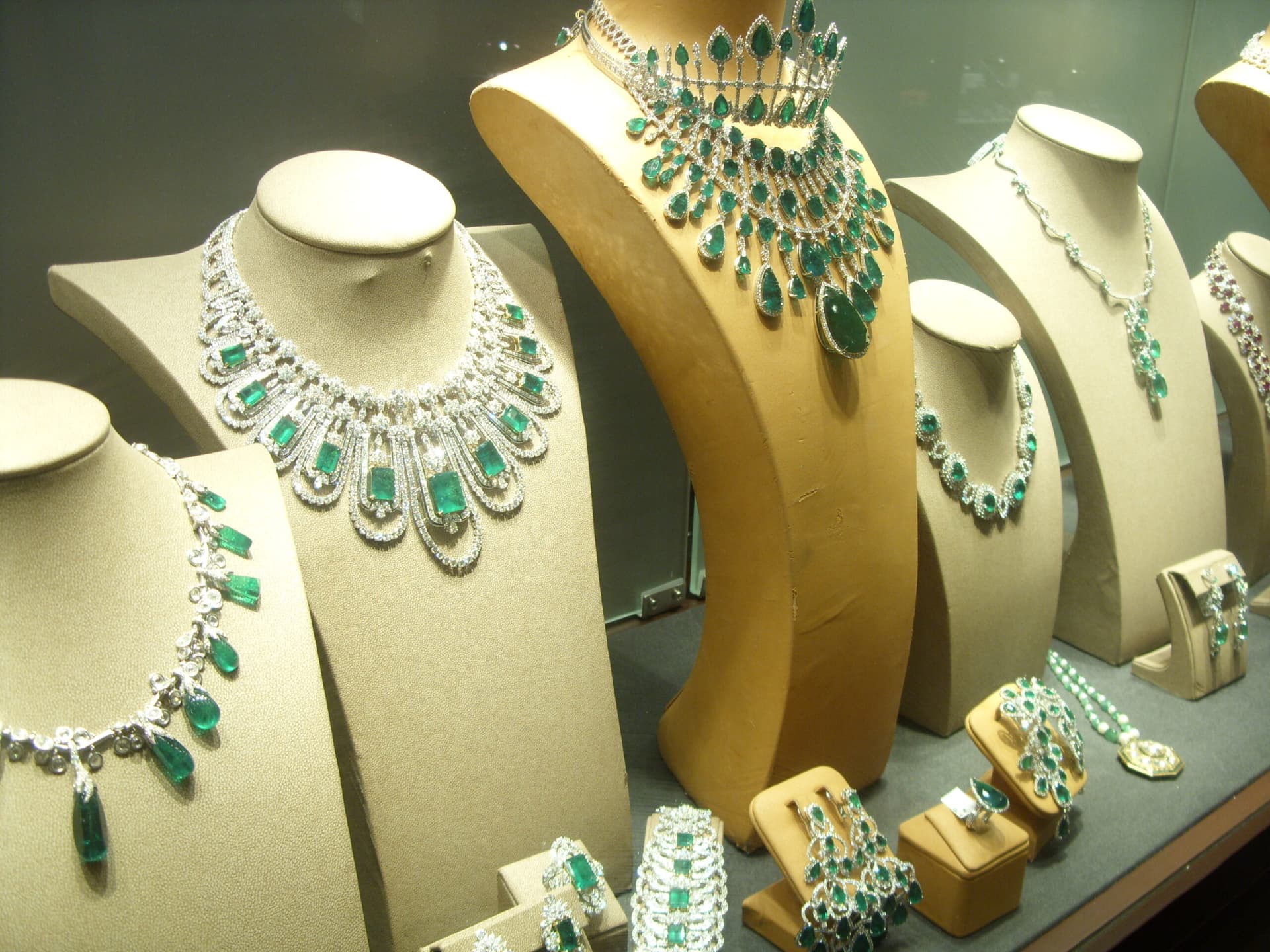
How to Identify Emerald Simulants and Synthetics
Gemologists can separate natural emeralds from emerald simulants and synthetics. Learn about the most common tools and techniques for this....
Read More


